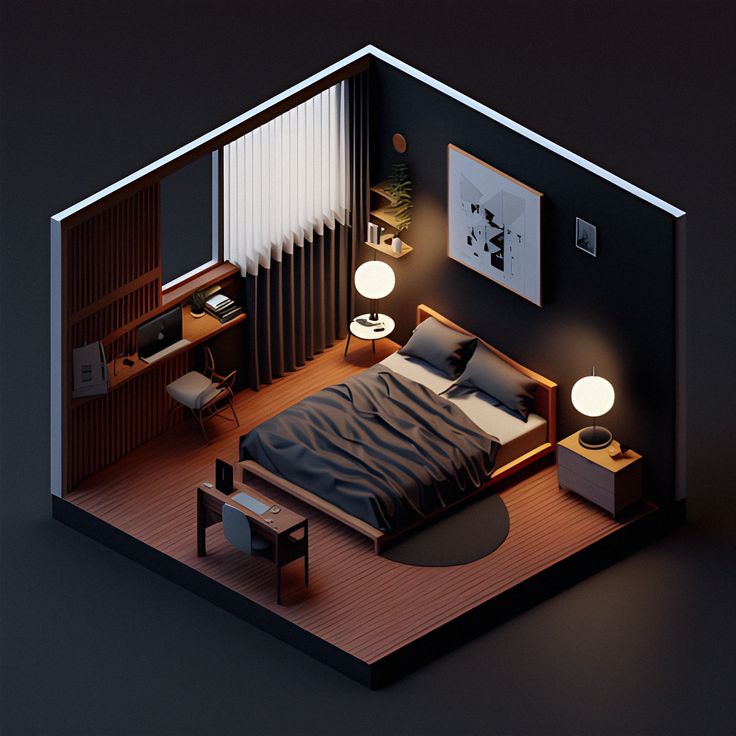
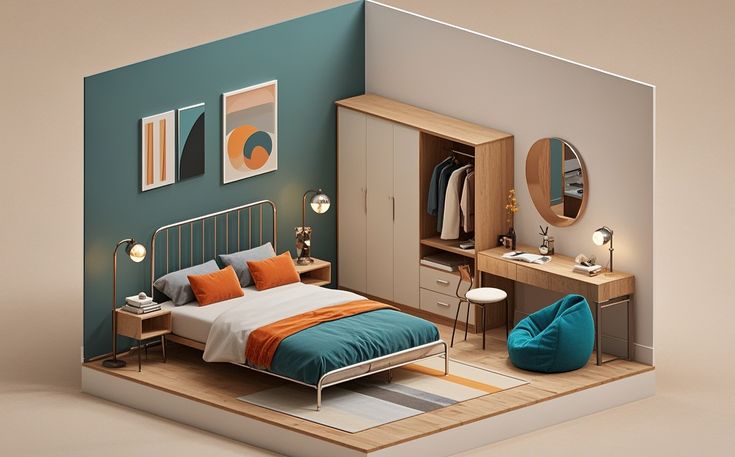
The interior design industry is undergoing a major transformation driven by technology and changing client expectations. Traditional design processes are rapidly being replaced by digital-first approaches that allow designers and clients to visualize spaces before they are built. Today, virtual design in interior design is no longer a trend, it is becoming the new normal.
From residential projects to commercial spaces, designers are increasingly adopting virtual interior design, 3D interior design, and virtual space planning to deliver faster, more accurate, and more engaging design solutions. This shift is redefining how interiors are planned, presented, and executed.
What Is Virtual Design in Interior Design?
Virtual design in interior design refers to the use of digital tools and software to plan, visualize, and present interior spaces in a virtual environment. Instead of relying only on physical drawings or site-based changes, designers create detailed digital models that show layouts, materials, lighting, and furniture in advance.
Through virtual interior design, clients can experience a space digitally, understand proportions, and make informed decisions before any physical work begins. This approach reduces errors, improves clarity, and enhances collaboration between designers and clients.
How Virtual Design Works
Virtual design works by combining design concepts with advanced software and visualization tools. Designers begin by understanding client requirements and then develop layouts using virtual space planning techniques. These layouts are converted into detailed 2D drawings and immersive 3D interior design models.
Clients can review these models, suggest changes, and approve designs remotely. Revisions are made digitally, saving time and cost while improving accuracy. This workflow allows designers to deliver precise, well-planned interiors with minimal on-site confusion.
Key Reasons Virtual Design Is Growing
One of the main reasons why virtual design is popular is its ability to provide clarity and confidence. Clients can see exactly how a space will look and function before execution begins. This reduces misunderstandings and ensures better satisfaction.
Another key factor is accessibility. Virtual interior design allows designers to work with clients across cities or countries, making location less of a barrier. The benefits of virtual interior design also include faster turnaround times, better budget control, and fewer design errors, making it a preferred choice for modern projects.
Virtual Design vs Traditional Design
When comparing virtual design vs traditional design, the differences are clear. Traditional design relies heavily on manual drawings, physical samples, and repeated site visits. While effective, it can be time-consuming and less flexible.
Virtual design, on the other hand, offers real-time visualization, quick revisions, and better communication. With 3D interior design, clients can understand scale, depth, and aesthetics instantly. This makes virtual design more efficient, transparent, and aligned with today’s fast-paced lifestyle.
Role of Technology in Virtual Interior Design
Technology plays a central role in the rise of virtual interior design. Tools like AutoCAD, SketchUp, 3Ds Max, and rendering software enable designers to create realistic and functional interiors. Virtual walkthroughs, augmented visuals, and detailed 3D models have become essential parts of the design process.
As technology advances, virtual design tools are becoming more intuitive and powerful. This allows designers to focus more on creativity while maintaining technical accuracy, making digital skills a core requirement in modern interior design practice.
How Virtual Design Is Changing Interior Design Careers
The growing demand for virtual design is reshaping interior design careers. Designers are now expected to be proficient in digital tools, visualization techniques, and remote client handling. Skills in virtual space planning and 3D interior design significantly enhance employability.
Institutes focusing on strong digital foundations and interior design learning are preparing students for this shift. Virtual design has also opened opportunities in freelancing, global collaborations, and tech-driven design roles, expanding career possibilities beyond traditional studio work.
Is Virtual Design the Future of Interior Design?
Virtual design is not just the future, it is already the present. As clients seek faster decisions, clearer visualization, and flexible collaboration, virtual design continues to gain importance. While traditional methods still hold value, digital design approaches are becoming essential in delivering modern interiors.
For aspiring designers, learning virtual design tools and techniques is crucial. Programs that emphasize practical digital training and strong interior design learning foundations ensure students are ready for the evolving demands of the industry.
Takeaway
Virtual design is no longer an optional skill in interior design, it has become an essential part of how modern interiors are planned, visualized, and delivered. With the rise of 3D interior design, virtual space planning, and digital collaboration, designers can create smarter, faster, and more accurate solutions for clients. As technology continues to reshape the industry, embracing virtual interior design equips designers and students with the skills needed to stay relevant, competitive, and future-ready in an evolving design landscape.