A fashion design program is more than just learning how to sketch garments or follow trends. It is a comprehensive learning journey that equips students with creative, technical, digital, and professional abilities needed to succeed in the fashion industry. Understanding the skills gained in a fashion design program helps aspiring designers see how education translates into real-world career readiness.
From creativity to craftsmanship and business knowledge, fashion design programs prepare students with essential fashion design career skills that remain valuable across multiple roles in the industry.
What Skills Do You Learn in a Fashion Design Program?
A fashion design program develops a balanced mix of artistic vision and practical expertise. Students learn to conceptualize ideas, translate inspiration into designs, and understand how garments are created from start to finish. These skills for fashion designers are taught through theory, hands-on practice, and industry-oriented training.
The program focuses on building a strong foundation that supports long-term growth, adaptability, and professional confidence in the fashion world.
Creative Skills You’ll Develop
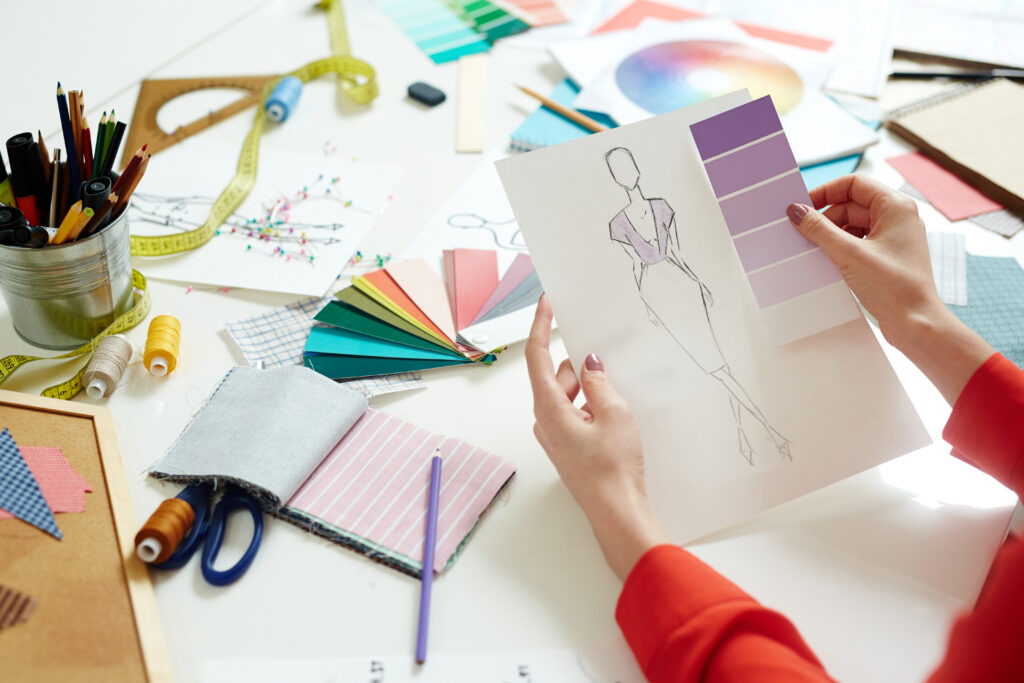
Creativity is at the core of fashion design, and students are trained to think visually and conceptually. They develop skills in fashion illustration, mood board creation, color theory, fabric selection, and trend interpretation. These creative abilities allow designers to express unique ideas while staying relevant to market demands.
By learning how to balance originality with practicality, students gain creative fashion design career skills that help them stand out in competitive environments.
Technical & Practical Fashion Skills
Technical expertise transforms creative ideas into wearable garments. Fashion design programs teach pattern making, garment construction, draping, fitting, and finishing techniques. These skills help students understand structure, proportion, and craftsmanship.
Practical knowledge of textiles, stitching methods, and quality control ensures that students can produce well-constructed garments. These hands-on abilities are among the most important skills gained in a fashion design program, forming the backbone of professional design work.
Digital & Industry-Relevant Skills
Modern fashion relies heavily on technology. Students learn digital tools for design, visualization, and presentation, including CAD software, digital illustration, and design planning systems. These digital competencies are essential skills for fashion designers in today’s technology-driven industry.
Understanding industry workflows, production processes, and sourcing practices further prepares students to adapt to real-world fashion environments, enhancing their employability and career flexibility.
Business & Communication Skills
A successful fashion career requires more than design talent. Fashion design programs also focus on business and communication skills such as branding, costing, merchandising, client interaction, and presentation. These skills help designers understand the commercial side of fashion.
Effective communication allows designers to present ideas confidently, collaborate with teams, and build strong professional relationships. These business-oriented fashion design career skills are crucial for leadership roles, entrepreneurship, and freelancing.
How These Skills Prepare You for Fashion Careers
The combination of creative, technical, digital, and business skills prepares students for a wide range of fashion careers. Graduates can work as designers, stylists, merchandisers, visual designers, or pursue independent ventures. The versatility of skills gained in a fashion design program also allows students to explore careers in allied industries such as media, retail, and fashion marketing.
By developing these core competencies, students gain confidence, industry readiness, and the ability to adapt to evolving fashion trends and technologies.
Takeaway
A fashion design program equips students with far more than creative knowledge, it builds a complete professional skill set. From design thinking and technical craftsmanship to digital proficiency and business communication, the skills gained prepare students for diverse and evolving career paths. By developing these essential fashion design career skills early, aspiring designers gain the confidence, versatility, and industry readiness needed to succeed in the competitive world of fashion.