
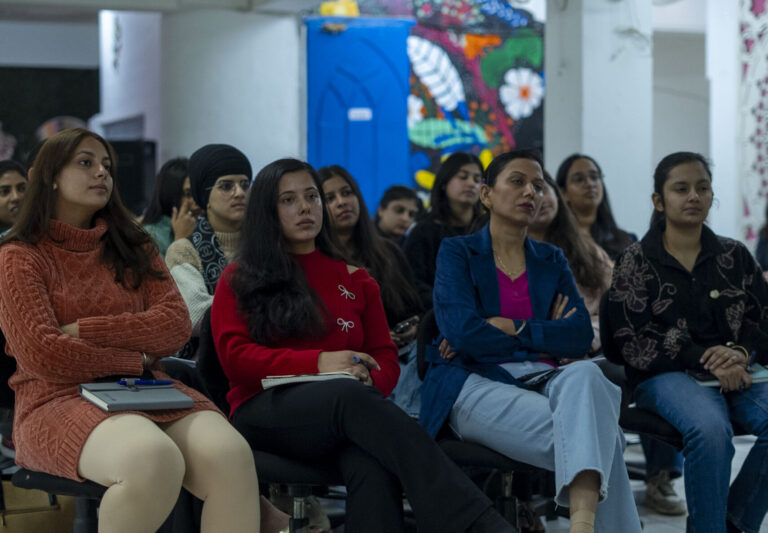
Choosing to study fashion design is exciting, creative, and dynamic. Many aspiring designers often wonder what it is like to study fashion design and how a typical day looks inside a design school. Unlike traditional academic courses, fashion design programs combine creativity, technical learning, and hands-on practice.
From sketching concepts and studying fashion trends to working on garments and building portfolios, the daily life of a fashion design student is both busy and inspiring. Understanding what does a typical day look like in fashion design school helps students prepare for the learning experience and the dedication required to succeed in the creative industry.
What Is It Like to Study Fashion Design?
Studying fashion design is a blend of creativity, technical skills, and practical learning. Students explore everything from garment construction and textile knowledge to fashion illustration and trend forecasting.
A fashion design course is highly interactive. Students attend theory classes, participate in practical studio sessions, collaborate on creative projects, and work on portfolio development. This combination of learning methods ensures that students not only understand design concepts but also learn how to apply them in real-world fashion scenarios.
Many students describe the experience as intense but rewarding because it allows them to transform ideas into actual designs and garments.
Raabiya Bhatti - Owner, Buzzczar

“INIFD provides an exceptionally creative environment that nurtures innovation and self-expression. For me, the year-end fashion show was a transformative experience. It taught me how to conceptualize, plan, and execute a cohesive collection, skills that have become invaluable in building my own brand. The journey of bringing a vision to life and presenting it with impact continues to shape my work and inspire my creative path.”
A Typical Day in the Life of a Fashion Design Student
A typical day in fashion design school includes a mix of theory, creative practice, and technical learning. Students often work on multiple projects simultaneously while developing their individual design style.
Morning: Design Theory & Trend Research
The day often begins with theory-based sessions where students learn about fashion history, design principles, color theory, and current fashion trends. These classes help students understand the cultural, artistic, and commercial aspects of fashion.
Trend research is also an important part of these sessions. Students analyze runway collections, consumer preferences, and global fashion movements to develop inspiration for their own designs.
Midday: Practical Studio Sessions
Practical learning is a core part of fashion education. During studio sessions, students work on garment construction, pattern making, draping, and sewing techniques.
This hands-on training answers a common question many beginners have: do fashion design students have practical classes? The answer is yes, practical learning is essential in developing real design skills.
These sessions allow students to experiment with fabrics, learn garment construction methods, and bring their design sketches to life.
Arbaz Khan
Designer, Arjun Khanna

“Being chosen for the Pepe Jeans London Fashion Designer Award 2024 still feels like a dream come true. It’s both an honor and a significant milestone in my life, marking the beginning of an exciting journey. I am deeply grateful to the INIFD faculty for their unwavering support, creativity, and guidance. This achievement is a true testament to their incredible encouragement and inspiration.”
Afternoon: Software & Technical Training
Modern fashion education also includes strong digital learning components. Students receive training in fashion design software and technical tools that are widely used by professionals in the industry. During these sessions, they learn digital fashion illustration techniques, work with computer-aided design tools, and understand pattern development through specialized software. Students are also trained in presentation methods and portfolio design so they can professionally showcase their creative work. This combination of digital and technical training helps students build both creative and practical abilities that are highly valuable in modern fashion careers.
Project Work & Assignments
Project work is a constant part of fashion design education. Students regularly work on design collections, mood boards, garment construction projects, and fashion portfolios.
These assignments often require teamwork, research, and creative experimentation. Students learn how to meet deadlines, present ideas, and refine their design concepts.
Many aspiring designers also ask what projects do fashion design students work on. Typical projects may include:
- Designing a mini fashion collection
- Creating mood boards and concept boards
- Developing garment patterns
- Constructing garments
- Preparing portfolio presentations
This project-driven learning approach helps students develop confidence and practical experience.
What Skills Do Fashion Design Students Develop?
Fashion design education helps students develop a diverse set of creative, technical, and professional skills that prepare them for the dynamic fashion industry. Throughout the course, students learn how to express ideas visually through fashion illustration and sketching, which is the first step in turning a creative concept into a wearable design. They also gain hands-on experience in garment construction techniques, allowing them to understand how fabrics, patterns, and stitches come together to create finished pieces.
At the same time, students build a strong foundation in textile knowledge, learning about different fabrics, textures, and materials used in fashion. Practical training in pattern making and draping helps them translate design ideas into actual garments with proper fit and structure. In addition, students develop skills in design research and trend analysis, which enable them to stay updated with evolving fashion movements and consumer preferences.
An important part of the learning journey is portfolio development, where students compile their best work to showcase their creativity and technical abilities to future employers or clients. Along the way, they also strengthen their creative problem-solving skills, learning how to adapt ideas, overcome design challenges, and refine concepts during the design process. Together, these skills equip fashion design students to explore various career paths in the industry, including working with design studios, fashion brands, styling, retail, or even starting their own fashion ventures.
How Practical Is a Fashion Design Course?
Fashion design courses are highly practical and skill-oriented. A large portion of the curriculum focuses on studio work, design projects, and garment creation.
Students often spend several hours each day working on practical assignments. This answers a common question: how many hours do fashion design students study? In most programs, students spend a mix of classroom time, studio practice, and independent project work throughout the week.
Because of this hands-on approach, students graduate with real design experience and a strong portfolio.
Career Opportunities After Studying Fashion Design
Fashion design education opens doors to many creative career paths. Students can work in design houses, fashion brands, retail companies, or start their own labels.
Some common career options include:
- Fashion Designer
- Fashion Illustrator
- Fashion Stylist
- Textile Designer
- Fashion Merchandiser
- Costume Designer
- Fashion Entrepreneur
Many students also build freelance careers or collaborate with fashion brands and creative agencies.
If you are interested in starting your journey in the fashion industry, exploring structured fashion design learning programs can help you develop the skills and portfolio required for professional success.
A fashion design student attends theory classes, participates in studio sessions, practices garment construction, learns digital design tools, and works on creative projects and portfolio development.
Fashion design can be demanding due to project deadlines and practical assignments, but many students find it rewarding because of the creative freedom and hands-on learning.
Fashion design students typically spend several hours daily in classes, studios, and project work, combining both practical and theoretical learning.
Yes, sewing and garment construction are essential parts of fashion design education, helping students understand how designs are transformed into finished garments.
Fashion design courses usually include subjects such as fashion illustration, textile studies, garment construction, pattern making, fashion history, and design software training.